




Old Sewage systems Increase the Risk of Rat Infestation
Old sewage systems are a major cause of rat infestations. If you are dealing with a rat infestation in Cork or Limerick, especially in an older house, the sewage system is worth checking. This problem is common in older towns and cities. As sewer infrastructure ages, cracks and gaps begin to form. These openings allow brown rats to enter and move through the system easily.
Rats look for shelter, water, and food. Sewers provide all three. When systems are old and damaged, they become ideal habitats for rats.
Why Aging Sewers Are a Problem
Many older sewage systems were built decades ago. The materials used were not designed to last forever. Over time, pipes shift, joints loosen, and concrete breaks down. Moisture, soil movement, and chemical corrosion speed up this damage.
Small openings are all rats need. A rat can squeeze through a gap just a few centimeters wide. Once inside the sewer, it can travel long distances unnoticed.
Concrete Manholes as Main Entry Points
Concrete manholes are one of the weakest parts of old sewage systems. They often crack or separate from connecting pipes. A common issue is visible gaps between the concrete manhole wall and the sewage pipe coming from a house.
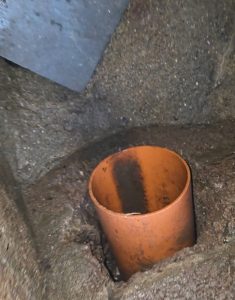
These gaps form for several reasons:
- The ground settles unevenly over time
- Concrete shrinks and cracks
- Old mortar seals break apart
- Pipes shift due to age or pressure
When these gaps appear, rats can enter the manhole easily. From there, they can access nearby sewer lines and house connections.
How a Rat Infestation Reaches Your Home
When the pipe connecting a house meets a damaged manhole, rats gain a direct path toward homes. They may travel through sewer pipes and enter buildings through broken drains or weak plumbing.
Once inside, rats can nest under floors or behind walls. They often stay hidden for long periods. This makes infestations difficult to detect early.
Traps and poison may reduce rat numbers. However, they do not fix the access points. If gaps remain open, rats will return.
Health and Property Risks
Rats pose serious risks to people and property. They carry diseases that spread through urine and droppings. These include leptospirosis and salmonella.
Rats also cause physical damage. They chew pipes, wiring, and insulation. Their nesting can block sewer lines and cause backups.
Rodent Prevention and Repair
Long-term rat control requires fixing the sewage system itself. Effective solutions include:
- Sealing pipe connections with flexible, watertight seals
- Repairing or lining damaged manholes
- Replacing old house sewer pipes
- Inspecting systems with CCTV cameras
Homeowners and local authorities must both take responsibility. In many areas, homeowners are responsible for the pipe connecting their house to the main sewer.
Conclusion: Stopping Rat Infestation in Cork
Old sewage systems greatly increase the risk of rat infestation in Cork, Limerick and anywhere else with ageing pipes. Concrete manholes with gaps around house sewage pipes are a key problem. These openings allow rats to move freely through sewer networks and into homes.
Without proper repairs, rat problems will continue. Fixing gaps, sealing connections, and upgrading old infrastructure are essential steps. These actions protect public health, property, and overall living conditions. A proper pest control company doesn't just exterminate, but identifies and, if possible, seals up entry points.
If you need help with a rat infestation in Cork, Limerick or Kerry, contact me now.
